Thursday, June 10, 2010

Fluoride Treatment

Many years ago scientists started to notice that children who were born and raised in areas with natural fluoride in drinking water had fewer cavities than children in other areas. Fluoride absorbed by your body when teeth were forming (during mother’s pregnancy to early childhood) integrates into the structure of enamel and makes it stronger.fluoride

After teeth eruption, fluoride found in your toothpaste, mouthwash, or in what your dentist places on your teeth still has a positive effect on your teeth. It strengthens the enamel and reduces the chance of tooth decay.


If you have children and live in an area that has no fluoride in its drinking water, you should consult your dentist and physician about fluoride tablets that are available for children.

Monday, May 3, 2010

Welcome to Spring Promotion


Make over your smile with new pearly whites!
Come into Plainfield Dental Care to receive an exam
and panorex x-ray for only $19

Thursday, April 29, 2010

TMJ Treatment

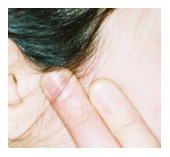
TMJ is the joint that connects the lower and upper jaw. The term TMJ stands for Temporo-mandibular Joint. This is one of the most complex joints in the entire body, capable of forward and backward movement, rotations, and side-to-side movements. TMJ often refers to complications and problems with this joint. Some of the most common symptoms of TMJ problems are:tmj


  • Pain

  • Limited movement of the lower jaw

  • Clicking sounds

  • Muscle spasms

  • Locking of the jaw

Some potential causes of the disease include genetics, hormones, low-level infections, auto-immune diseases, trauma, and clenching or grinding of the teeth. Diagnosis and evaluation of such conditions are performed by dentists experienced in TMJ problems and treatments. Some common treatments are Night Guards, Bite Guards, and Bite Adjustments. Your dentist can guide you toward the best treatment for you.

If you experience any TMJ problems or symptoms please let us know. Dr. Ferdkoff will be happy to evaluate your situation and offer the best treatment possible.

Monday, April 5, 2010

April Promotion

Call our office to inquire about the special of the month!


Offer expires 4/30/10

Thursday, March 4, 2010

March Madness Promotion!


For this month's promotion, we are offering new patients a free doctor exam and a $50 credit towards any major treatment.


offer expires 3/31/10

Wednesday, February 24, 2010

How to Brush Your Teeth the Correct Way!

The first step is to choose a good toothbrush. You always want to use a soft
brush with a small head. A soft brush is hard enough to remove plaque, yet
gentle enough not to damage your teeth or gums.

toothbrushtoothbrush 2


toothbrush3toothbrush4

The next issue is to select good toothpaste. In general, any toothpaste that contains Fluoride will do the job, unless you have special needs that are determined by your dentist. Two of the best brands of toothpastes are Colgate Total and Crest Multicare.

The first rule of brushing is to start from a specific location and work your way to the opposite side, continuing all the way through the whole mouth so that you end where you started. This way you won't miss any area. Usually a pea-sized amount of toothpaste is enough. An adequate brushing should at least take 2 minutes and preferably around 4 minutes.

There are a variety of techniques for brushing your teeth, but one of the most popular ones is described here:

Hold the brush at a 45 degree angle toward the teeth and gums. Gently press against the gums so the tips of the bristles go in between the gum and the teeth. Then apply a few lateral strokes and roll down the brush to sweep the plaque away from the teeth and the gum. Repeat this motion 6 to 10 times and move on to the next area of 2 to 3 teeth. If your mouth is full of foam, spit out and continue brushing. Your brushing is completed when you have brushed all the surfaces of your teeth, not when your mouth is full! On chewing surfaces, short strokes work best to get the plaque out of the grooves and pits. When brushing the back side of your front teeth, hold your brush vertically to be able to reach the teeth better.

As far as frequency of brushing is concerned, ideally you want to brush your teeth after each meal. But if you can’t, brush at least twice a day- after breakfast and before going to bed.